 NutriWell
Common Natural Supplements for Men
This page provides educational information about commonly used natural supplements. The content describes typical supplement types, their nutrient composition, and general usage patterns. This information is educational only and does not constitute recommendations or advice.

Multivitamin Complex
Multivitamin supplements typically contain a combination of essential vitamins and minerals in varying amounts. Common ingredients include vitamins A, C, D, E, B-complex vitamins, and minerals such as zinc, magnesium, and selenium.
These supplements are designed to provide a broad spectrum of nutrients in a single formulation. Usage patterns vary, with most people taking one tablet or capsule daily, often with meals.
Multivitamins represent one of the most commonly used supplement categories, appealing to individuals seeking convenient access to multiple nutrients.
Learn More
Omega-3 Fatty Acids
Omega-3 supplements typically contain EPA and DHA, fatty acids commonly derived from fish oil or algae sources. These essential fatty acids are also naturally present in fatty fish, walnuts, and flaxseeds.
Omega-3 fatty acids play structural roles in cell membranes and are involved in various physiological processes. Many people incorporate omega-3 supplements into their routines, particularly if they consume limited amounts of fatty fish.
Supplement forms include fish oil capsules, liquid fish oil, and plant-based algae oil for those following vegetarian or vegan dietary patterns.
Learn More
Vitamin D
Vitamin D supplements provide this fat-soluble vitamin, which is also synthesized by the body through sun exposure and obtained from certain foods like fatty fish and fortified dairy products.
Vitamin D plays roles in calcium absorption, bone health, and immune function. In regions with limited sunlight, particularly during winter months, vitamin D supplementation is a common practice.
Typical supplement forms include vitamin D3 (cholecalciferol) in softgels or tablets, with dosages varying based on individual intake patterns and geographic location.
Learn More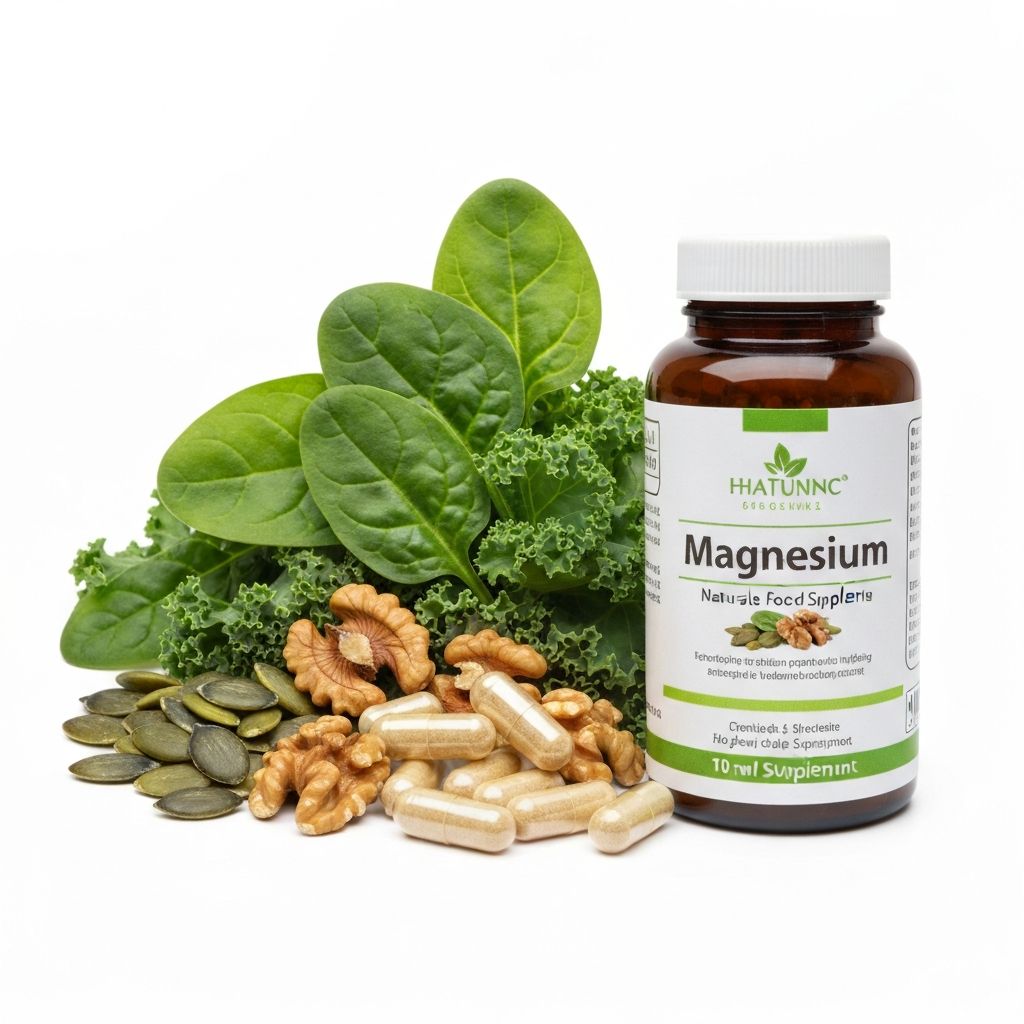
Magnesium
Magnesium supplements provide this essential mineral, which is involved in over 300 enzymatic reactions in the body. Natural food sources include leafy greens, nuts, seeds, and whole grains.
Magnesium participates in muscle and nerve function, energy production, and bone health. Various forms of magnesium supplements exist, including magnesium citrate, glycinate, and oxide, each with different absorption characteristics.
People incorporate magnesium supplements into their routines for various reasons, often taking them in the evening due to their potential relaxing properties.
Learn More
Zinc
Zinc supplements provide this essential trace mineral, which is naturally found in meat, shellfish, legumes, seeds, and nuts. Zinc is involved in immune function, protein synthesis, and wound healing processes.
Zinc supplements come in various forms including zinc gluconate, zinc citrate, and zinc picolinate. Typical dosages range from 15 to 50 mg daily, though intake patterns vary based on individual circumstances.
This mineral is one of the more commonly supplemented nutrients, particularly during cold seasons when people pay extra attention to immune support practices.
Learn More
Vitamin C
Vitamin C (ascorbic acid) supplements provide this water-soluble vitamin, which is naturally abundant in citrus fruits, berries, peppers, and leafy greens. Vitamin C acts as an antioxidant and participates in collagen synthesis and immune function.
Vitamin C supplements are available in various forms including tablets, capsules, powders, and chewable formats. Dosages typically range from 500 to 1000 mg daily, though requirements vary among individuals.
This is one of the most widely used supplements globally, with many people incorporating it into their daily wellness routines throughout the year.
Learn MoreImportant Context: The information above describes common supplement types for educational purposes only. This content does not recommend specific products, dosages, or usage patterns. Individual needs vary significantly based on diet, lifestyle, health status, and many other factors. The form used for informational newsletter purposes only. We do not sell directly.